Whole-Grain Street Breads That Win Every Bite

Today we dive into whole-grain upgrades for wraps, buns, and breads in street food, showing how small flour tweaks spark bigger flavor, texture, and nutrition. Expect practical techniques, vendor-tested tips, and pairing ideas that keep queues moving while delighting taste buds. Share your wins or questions and help the cart next door get better too.

Why Whole Grains Win the Queue

Flavor depth that stands up to heat

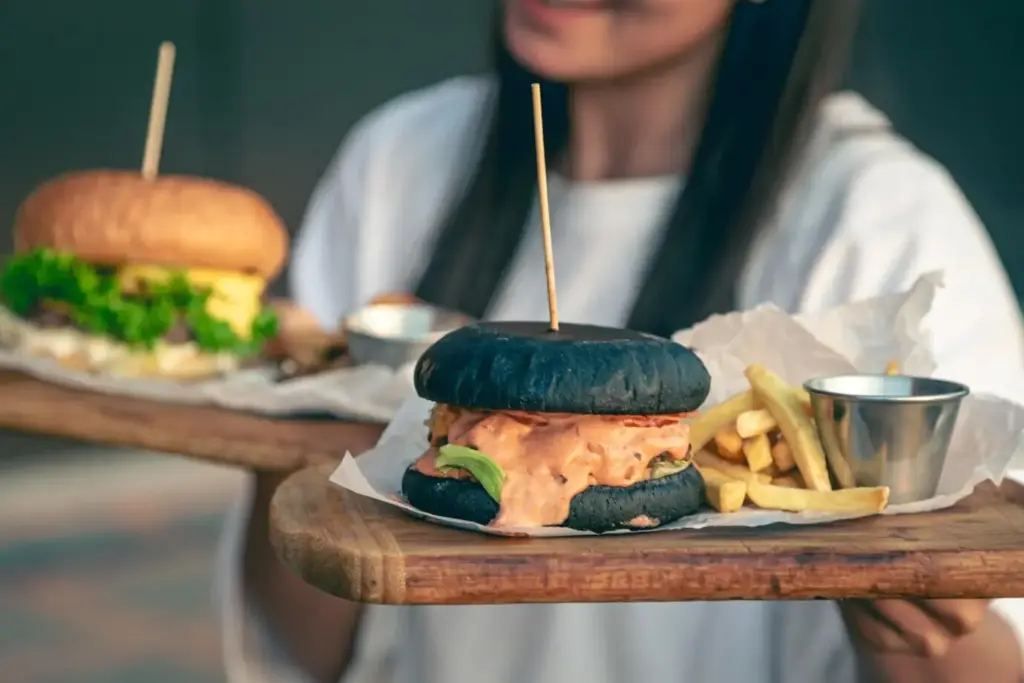
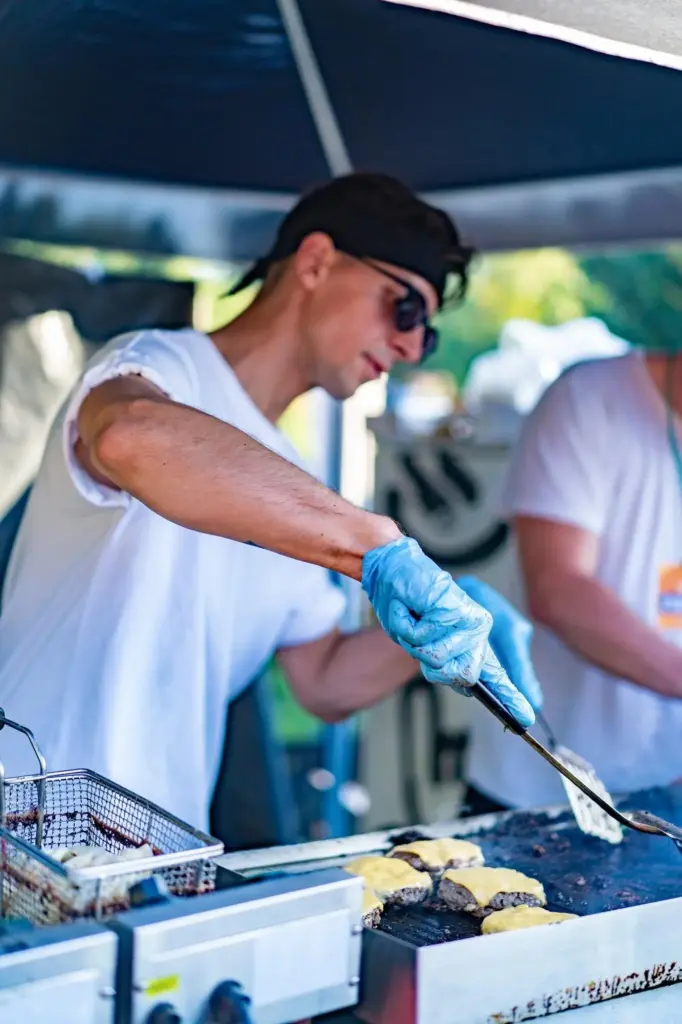
Griddles, planchas, and woks push intense heat that can flatten delicate doughs. Whole-grain flours bring natural nuttiness, caramel notes, and subtle bitterness that balance chilies, pickles, and fatty cuts. The result is a wrap or bun that won’t fade behind chips, slaws, or smoky sauces. Instead, it frames every bite with character, making a simple queue-side meal feel genuinely crafted and wonderfully complete.

Satiety that respects lunch breaks

Fast lines demand meals that satisfy without slowing people down. Whole grains extend satiety, so guests remain energized through busy afternoons without hunting for snacks. That means fewer greasy additions and more balanced tickets. Vendors benefit too: a reputation for substantial bites becomes a differentiator on crowded corners. When people feel great after eating, they return, tell colleagues, and proudly share photos of a sandwich that carries them through deadlines.

Crunch, chew, and aroma audiences crave

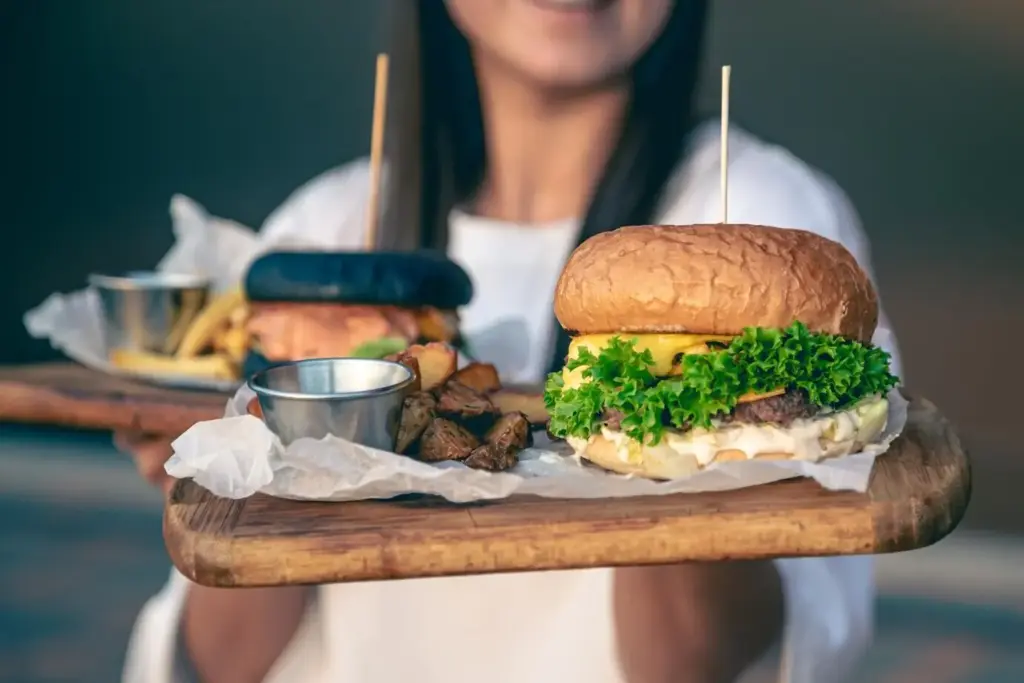
Texture sells before the first bite. Seeded crusts crackle, rye blends introduce gentle chew, and freshly pressed whole-wheat tortillas perfume the air with roasted grain aroma. These signals travel down the block, attracting the curious and reassuring regulars. A better bite transforms the same grilled halloumi, tikka, or smashed patty into something unmistakably premium. Let your bread speak loudly, then let your fillings echo that confidence with harmony and contrast.

Flour Choices and Smart Blends

Whole wheat versus white whole wheat

Classic whole wheat brings hearty bran specs, bolder color, and fuller wheat aroma. White whole wheat, milled from paler varieties, tastes milder yet keeps the bran and germ. Street vendors often prefer white whole wheat for its friendly flavor profile and lighter hue, helping skeptical customers embrace upgrades. Blend both for nuance: a soft crumb for burgers, a pliable sheet for wraps, and just enough visible flecking to communicate authenticity.

Ancient grains for character: spelt, rye, teff, sorghum

Small percentages of spelt lend sweetness and extensibility, rye supplies earth and moisture retention, teff contributes gentle tang with a cocoa-like aroma, and sorghum supports tenderness without gluten. Each grain changes mixing feel and hydration needs, so test in small batches. Street classics adapt beautifully: teff-enriched injera wraps spicy fillings, rye underscores pastrami-like flavors, and sorghum lifts gluten-free batters. Let measured experimentation guide formulas your crew can repeat under pressure.

Seeds, oats, and soakers that transform dough

Sunflower, sesame, and flax bring snap and nutrition, while rolled oats soften crust and sustain moisture. Soakers—pre-hydrating grains or seeds in water, milk, or buttermilk—keep crumbs tender during long service. They also slow staling, protecting quality through busy rushes. Sprinkle seeds on buns for visual drama, fold soakers into wraps for flexible strength, and note absorption carefully. Your mise en place gains resilience without sacrificing speed or simplicity at the grill.

Hydration and rest for pliability
Bran acts like tiny sponges, so add extra water and give time for absorption. A short autolyse relaxes dough, reducing tears and resisting dryness on the plancha. If your station allows, stagger small dough balls to rest while you cook the previous batch. The payoff is dramatic: fewer cracks at the fold, confident rolling around generous fillings, and consistent results even with new staff learning the cadence of a lunch rush.

Rolling thin without tearing

Aim for a uniform sheet that still feels alive when lifted. Light dusting prevents sticking but avoid over-flouring, which can burn and toughen the surface. Gentle quarter-turns after each pass distribute pressure. If practical, a pasta roller’s widest setting standardizes thickness for trainees. Remember, cooked wraps continue steaming inside a stack; slightly undercook to retain flexibility. A smooth, even round wraps shawarma, paneer tikka, or roasted vegetables with confident strength and silky bend.

Cooking cues: blisters, aroma, and pliable edges
Look for scattered blisters and a toasty, honeyed aroma rather than deep charring. Whole grains darken faster, so manage heat carefully. Flip once, pressing gently for even contact. Edges should remain soft, not brittle. Slide finished rounds into a towel-lined pan to rest; captured steam balances moisture across the sheet. These small habits build a wrap that’s resilient to sauces yet pleasant to bite, making every fill-and-roll moment smooth and reliable.

Tangzhong, scalds, and gelled starch for softness

Cook a portion of flour with liquid into a paste to pre-gel starches, improving water retention and prolonging softness. This technique shines with whole wheat, countering bran’s drying effect without heavy sweeteners. Scalds using hot milk or water create similar results. Fold the paste into final doughs, then mix just to windowpane. The baked buns stay tender through service, calmly managing patties, sauces, pickles, and the impatient hands of hungry commuters.

Preferments, sourdough, and flavor complexity

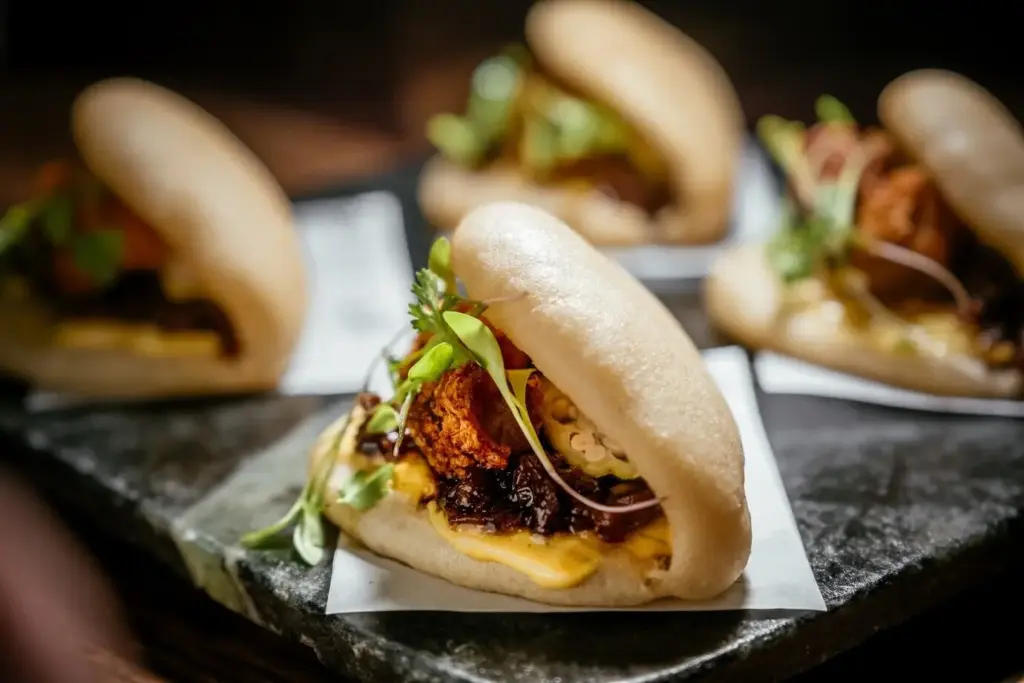
Poolish, biga, or a mild starter boosts aroma while easing reliance on sweeteners. Longer, cooler ferments unlock wheatiness and create strength without overmixing. For bao, keep acidity balanced to protect delicate crumb. Document temperatures, percentages, and timings like a brew log, because repeatability matters when lines stretch to the curb. Subtle tang pairs beautifully with char, smoke, and umami, adding a signature note that customers associate with your cart’s unforgettable bite.

Toppings and finishes that signal quality

Visual cues sell faster than words. Toasted sesame suggests nutty depth; oats whisper wholesome abundance; nigella seeds add licorice intrigue. A thin egg wash sets seeds and glows under streetlights. Consider a brushed butter finish for indulgence or a neutral oil for vegan offerings. These details advertise craftsmanship in the queue, guiding undecided passersby toward your counter. When presentation promises excellence, diners forgive short waits and recommend you with genuine enthusiasm.

Flatbreads and Pockets with Personality
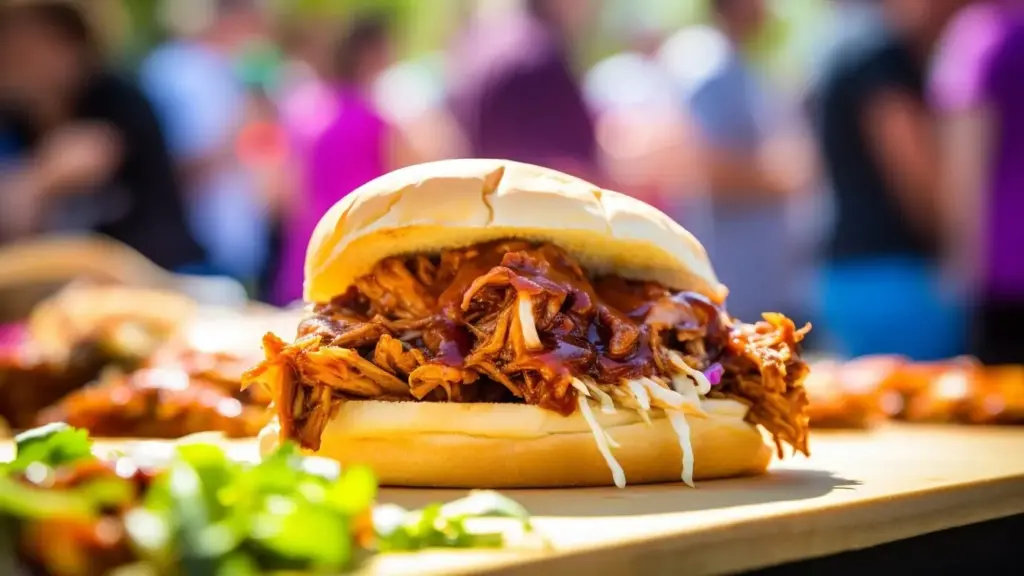
From pitas that balloon into steaming pockets to layered parathas that flake like pastry, whole grains lift character and performance. Control moisture, rest adequately, and embrace high heat to unlock lift and browning. For injera, teff’s fermentation creates tang and honeycomb pores that soak sauces elegantly. Across styles, your goal is repeatable drama: a split-open pocket that won’t tear, layers that hold ghee-kissed crisp, and flavors that welcome vibrant fillings.

Pita pockets with whole-grain lift

A successful pocket depends on a cohesive skin and strong bottom seam. Blend white whole wheat for mild taste, boost hydration, and preheat stone or steel intensely. Bake quickly so surface sets while interior steam inflates the center. After cooling, slice gently and test with saucy fillings. The payoff is a sturdy pocket that supports falafel, grilled mushrooms, or kofta without collapsing, offering aromas that invite a second order before the first is finished.

Layered parathas that flake and shine

Use whole-wheat atta blended with a touch of ghee or oil, then create folds and spirals for visible layers. Rest between turns to prevent shrink-back. On the tawa, press lightly to encourage separation, letting steam puff distinct sheets. The result is a crackling exterior and tender interior that stands up to paneer, eggs, or chili-lime potatoes. Guests hear the crunch and watch the shimmer, then lean in to order whatever smells like home and adventure.

Teff-powered injera for tang and nutrition

Teff, a naturally gluten-free whole grain, ferments into a gently sour, lacy flatbread that cradles spiced stews and grilled vegetables. Balance starter vigor with batter thickness for even bubbles and a plush bite. A covered cook on a hot surface sets the top without flipping. Wraps made from injera bend around fillings, soaking sauces without disintegrating. Teff’s mineral-rich profile and chocolatey aroma tell a story that resonates with curious diners ready to explore.

Fillings that celebrate nuttiness and earth

Harness roasted carrots with tahini and lemon; smoked chicken with mustard greens; charred corn with queso fresco and chili oil. Whole grains love acidity and fat, so lean into pickles, citrus, and cultured dairy or its plant-based cousins. A touch of sweetness—date syrup or maple—rounds edges without overpowering. Build a menu grid that pairs each bread with three ideal fillings, then rotate specials informed by seasonal markets and your guest conversations.

Holding strategies that preserve bite

Quality collapses when bread sweats or dries. Stack wraps in towel-lined cambros to trap gentle steam; vent buns lightly to avoid sogginess. Brush buns immediately after baking to retain moisture. For flatbreads, keep a warm zone near the griddle for quick refreshes. Mark time stamps, rotate stock diligently, and train staff to recognize tactile cues. These habits reduce waste, protect texture, and make every order feel freshly made under the rhythm of rush hour.
Vikoxuzevemumokurama
Privacy Overview

This website uses cookies so that we can provide you with the best user experience possible. Cookie information is stored in your browser and performs functions such as recognising you when you return to our website and helping our team to understand which sections of the website you find most interesting and useful.